
The Runner's Guide to Natural Fuel: Homemade Energy Bars, Power Bites, and Gels
 Steve Carmichael·Last updated
You're at mile 11 of a 17-mile long run and your energy is fading fast. What do you reach for? A maximized blend of glycogen-producing polymers concocted in a lab? If you're anything like me, fueling with real food sounds a whole lot better.
I have tried a variety of natural food options during long runs, races, and in my daily training. In this guide, I am sharing my favorite mid-run fuel options, plus three homemade recipes you can make in your own kitchen: energy bars, power bites, and a DIY power gel.
Every option here uses whole food ingredients — no artificial colors, no lab-made preservatives, and no mystery chemicals. Just real food that works.
Why Natural Fuel Instead of Commercial Gels?
As runners, we are always looking for that edge that will help increase performance, enhance stamina, or speed recovery. When it comes to nutrition, we often look to commercially available products because they are convenient and marketed well.
However, we each have our own unique needs and tastes that are not always met by the products on the shelf at our local running store. And often those quick food options include more than just whole food ingredients — they add chemicals to color them or preserve them for longer shelf life.
The good news is that making your own running fuel from real food is not difficult. The recipes in this guide involve mixing a handful of ingredients in a food processor, pressing them into a pan, or whisking them over low heat. No baking degree required.
Mid-Run Natural Food Options
Before we get into the homemade recipes, here are some of the simplest natural foods you can carry with you on a long run. These require zero preparation beyond buying them at the store.
Nut Butter Blends
Nut butter blends provide a nice combination of protein, fats, and carbohydrates to fuel your long runs. However, nut butter blends often have a thicker consistency than most gels, so I recommend consuming them with water or another liquid.
Justin's provides all-natural nut butters like peanut butter, almond butter, and hazelnut butter in convenient squeeze packs that fit easily in a pocket or running belt. You can get classic nut butters or blends with honey, maple, vanilla, and chocolate.
DIY option: Mix your own nut butter blends with peanut butter, almond butter, or cashew butter in a food processor. Add energy-boosting ingredients like chia seeds, dried berries, coconut oil, honey, maple syrup, cocoa powder, or coffee powder. Take it with you in a resealable plastic bag or a reusable gel flask.
Fruit Puree Blends
Fruit puree blends provide a natural energy boost from fructose in convenient pouches you can throw in your pocket or tuck in a fuel belt. You can find pouches of applesauce blends or other fruit puree combinations in most grocery stores. If you are looking for organic options, your local health food store will carry some great choices.
Just as with the nut butter blends, you can make your own fruit puree using your favorite fruits. One tip: add a little lemon juice to your blend if it contains banana to keep it from changing color.
Dried Fruit
Just about any type of dried fruit will provide a good source of carbohydrates from fructose. Here are a few of my favorites that are easy to carry and eat on the run:
- Raisins — 1 small box (1.5 oz) has 129 calories, 323 mg potassium, and 34g carbohydrates
- Dates — one Medjool date has 66 calories and 18g carbohydrates
- Dried cherries — 1/3 cup has 140 calories, 230 mg potassium, and 34g carbohydrates
- Figs — two dried Turkish figs have 120 calories and 28g carbohydrates
Homemade Energy Bars
Creating your own energy bars from real food is one of the best things you can do as a runner. The recipes below involve mixing a handful of ingredients in a food processor and pressing them into a pan before chilling and cutting into bars. No baking or crazy chemistry involved.
The ingredients in these recipes can be interchanged as taste dictates, allowing you to create your own masterpiece of energy-boosting deliciousness.
Pumpkin Pie Energy Bars
This recipe incorporates oats for complex carbohydrates along with simple carbohydrates from raisins and dates. The pumpkin and warm spices make these taste like fall in a bar.
Ingredients:
- 1/3 cup rolled oats
- 8 pitted dates
- 1/4 cup golden raisins
- 1/4 cup pureed or canned pumpkin
- 1/4 cup cashews
- 1/4 tsp nutmeg
- 1 tsp cinnamon
- 1/4 tsp ginger
- 1/8 tsp cloves
Directions: Pulse all ingredients together in a food processor until completely blended. Press the mixture into a small, greased pan or one lined with wax paper. Allow the mixture to cool completely before cutting into bars.
Apple Spice Energy Bars
This bar provides protein from cashews along with simple carbohydrates from apples, raisins, and dates for a solid pre-workout fueling option.
Ingredients:
- 3/4 cup dried apples
- 18 pitted dates
- 1/4 cup golden raisins
- 1/2 cup cashews
- 1.5 tsp cinnamon
Directions: Pulse all ingredients together in a food processor until completely blended. Press the mixture into a small, greased pan or one lined with wax paper. Allow the mixture to cool completely before cutting into bars.
Homemade Power Bites
Power bites are one of the most practical fuel formats for runners. They are small enough to carry in a pocket or running belt, they do not melt or crumble, and they provide a quick source of carbohydrates and calories when you need them.
The ingredients in this recipe have been chosen specifically to provide a combination of simple and complex carbohydrates, energizing fats, and a small amount of protein to adequately fuel you for your run.
The Health Benefits of the Main Ingredients
Dates are easily digested and made up of fructose and dextrose, both simple carbohydrates. They are a good source of Vitamin A, beta-carotene, iron, potassium, and other minerals.
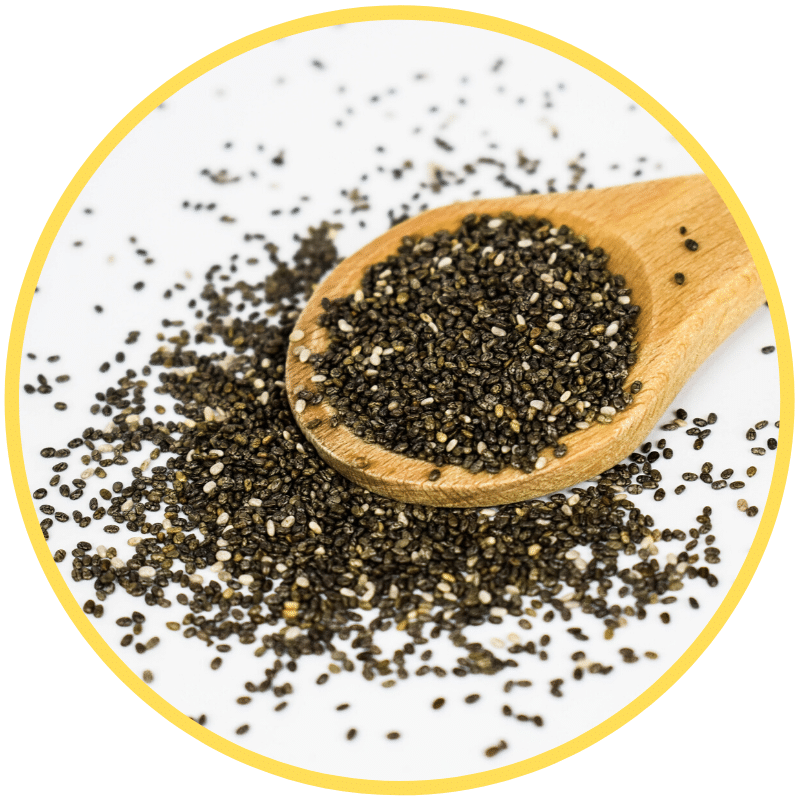
Chia Seeds — a dietary staple of the Tarahumara Indians, the legendary runners described in the book Born To Run. Chia seeds are one of the most nutrient-dense foods you can consume. They are packed with fiber, protein, calcium, Omega-3 fatty acids, iron, and antioxidants. When chia seeds are soaked in water, they expand up to 10 times their original size, forming a gel-like substance. This gel action slows the conversion of carbohydrates to sugar, allowing the carbs you have consumed to fuel your running for longer than normal.
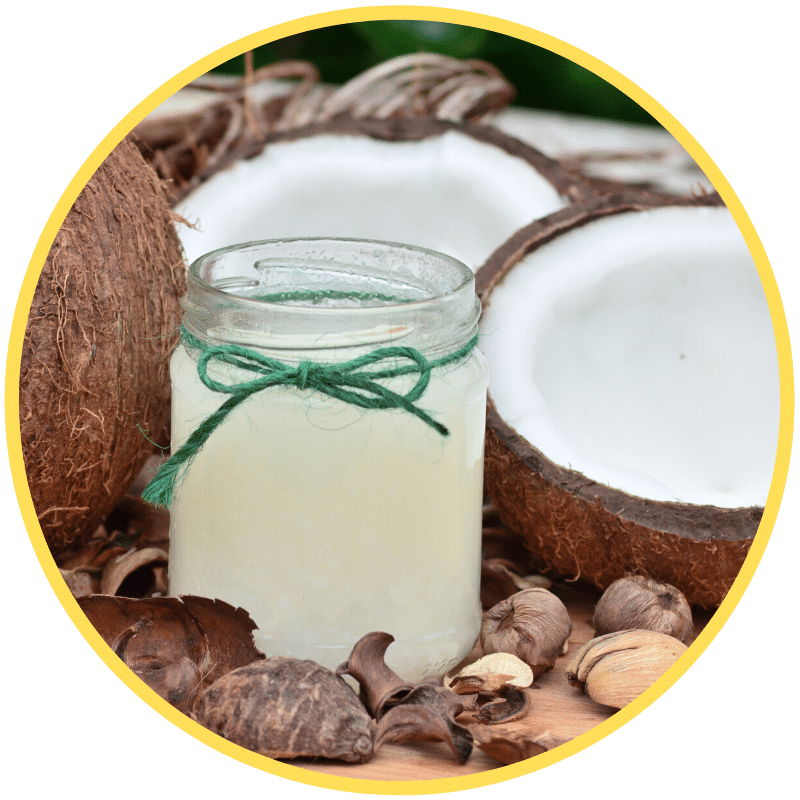
Virgin Coconut Oil is a plant-based fat and, unlike many other oils, a medium chain triglyceride (MCT). Because MCTs are easily digested and absorbed, the body is able to use coconut oil as a form of direct energy. Recent studies suggest that the MCTs in coconut oil may help increase energy metabolism during high and medium intensity exercise, allowing for a reduction in the body's reliance on carbohydrates as a source of energy.
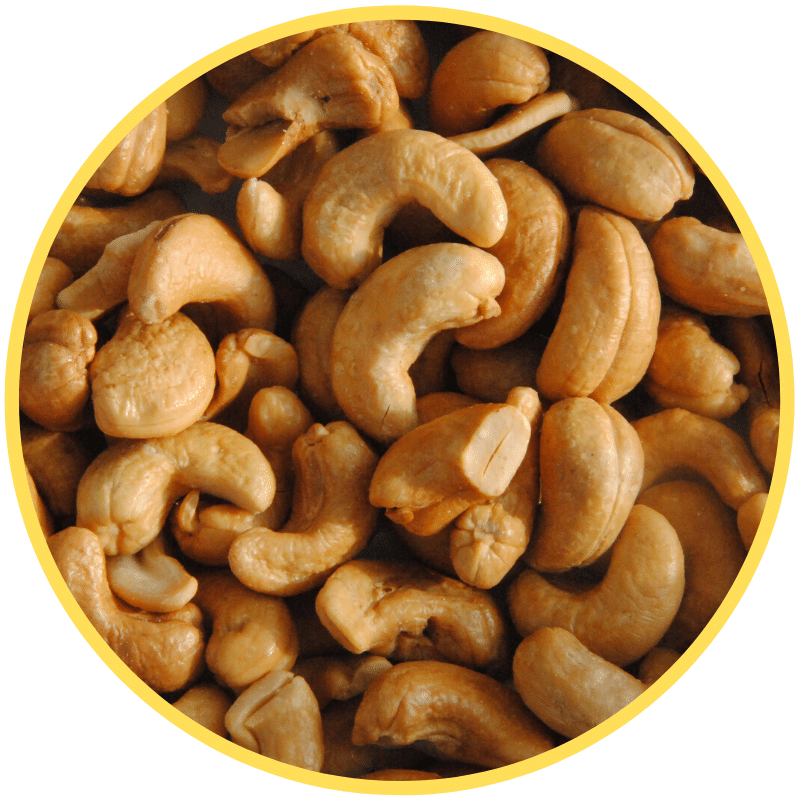
Cashews provide a decent amount of fat and are a good source of protein and minerals (copper, magnesium, and zinc), which help boost the immune system.
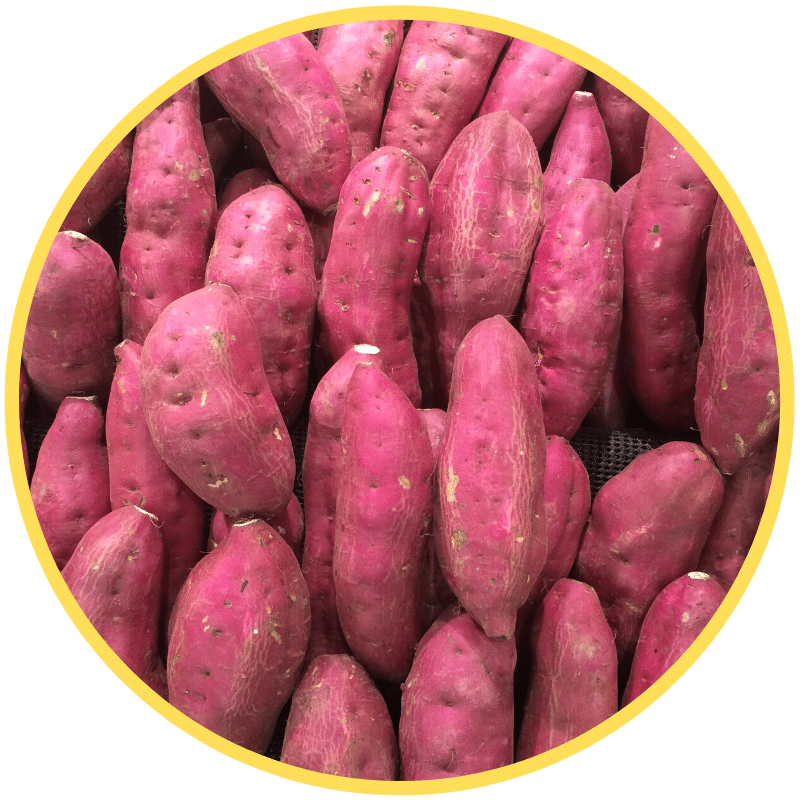
Sweet Potatoes are a great source of complex carbohydrates and excellent fuel for sustained energy during a long run or race. They are also packed with Vitamin A, beta-carotene, Vitamin C, and trace minerals your body needs to maintain good health.
Dried Fruit like goji berries, raisins, cherries, cranberries, and blueberries provide simple carbohydrates you need to fuel your workout, plus important vitamins and minerals your body uses to repair and rejuvenate after a long run.
Power Bites Recipe
Ingredients:
- 6 dates
- 4 Tbsp chia seeds
- 3 Tbsp virgin coconut oil
- 1/4 cup roasted whole cashews with sea salt
- 1 small sweet potato (steamed or baked and peeled)
- 1/4 cup + 1 Tbsp dried fruit (Sunsweet Antioxidant Blend or similar)
- 1 Tbsp shredded unsweetened coconut, plus more for rolling
Directions: Add all ingredients to a food processor or blender. Pulse together until well combined. Form into 20 small balls and roll in shredded coconut. Store in the refrigerator or freezer.
Nutrition (per bite): 85.5 calories, 5.8g fat, 8.5g carbohydrates, 1.9g protein. Makes 20 small energy bites.
I like to keep these power bites frozen until I am ready to eat them.
Homemade Power Gel
If you prefer the consistency of a traditional gel over solid food, you can make your own from whole ingredients. The most important characteristic of a power gel is its ability to be used quickly by the body during exercise to boost energy and performance. How easily the gel is digested and absorbed mainly depends on the type of carbohydrate used.
Understanding Carbohydrates in Gels
Maltodextrin is one of the most commonly used carbohydrates in commercial sports gels. In the United States, it is produced from corn or potatoes (in Europe, it is usually made from barley or wheat, so be careful if you have gluten allergy issues). Maltodextrin is a complex carbohydrate, is very easily digested, and does not require as much water for absorption as some simple sugars.
Glucose (Dextrose) is a simple sugar and the only carbohydrate that can be oxidized directly in muscle. Glucose requires more water than maltodextrin for maximum absorption.
Fructose is a simple sugar derived from fruits and some root vegetables. Fructose must be converted into glucose by the body before it can be oxidized, and this conversion happens slowly in the liver. Too much fructose can cause gastrointestinal distress, but including a small amount in your power gel can increase your total carbohydrate absorption beyond what is possible with just one type of carbohydrate.
Note: Honey and maple syrup mainly contain glucose and fructose. Blackstrap molasses is predominantly sucrose and also a good source of potassium and iron, which are important minerals for runners.
Power Gel Recipe (with a Coffee Kick)
Ingredients:
- 1/2 cup maltodextrin (available at your local health store)
- 2 Tbsp honey or molasses (or a combination of both)
- 1/4 cup water
- 1/2 tsp sea salt
- 1 tsp vanilla extract
- 1 Tbsp premium instant coffee
Directions: Whisk the first three ingredients together in a pan over low heat until mixed. Do not let the mixture boil. Remove from heat and stir in the remaining ingredients. Pour into one or more gel containers or squeeze bottles.
Optional flavor additions:
- Mixed berry: Cook down 1/4 cup mixed berries until liquid, then pour through a sieve to remove seeds
- Fruit flavors: Use powdered drink mix to add different fruit flavors easily
- Chocolate: Add cocoa powder
- Banana: Add pureed banana for thickness, potassium, and flavor
Nutrition (per 1.3 oz serving): 106 calories, 27.2g carbohydrates, 0g fat, 278 mg sodium. Makes about 1/2 cup of gel (three 1.3 oz servings).
You can also consider adding protein powder, small amounts of caffeine, or sources of electrolytes (such as sodium and potassium) to customize the gel to your needs.
When to Use Natural Fuel
As a general rule, you should start fueling during runs lasting longer than 60-90 minutes. Here is how I use the options in this guide:
- Before a run (30-60 minutes prior): Power bites, energy bars, or a nut butter blend
- During a long run (every 30-45 minutes after the first hour): Power gel, dried fruit, or fruit puree pouches
- After a run (within 30 minutes): Energy bars or power bites paired with water or a recovery drink
Experiment with these options during your training runs — never try something new on race day. Your stomach needs time to learn what works for you.
Please note: "As an Amazon Associate, I may earn from qualifying purchases."
Related Articles



Related Podcast Episodes
Dive deeper into this topic with these episodes from the RunBuzz Running Podcast.
Episode 162
How To Develop Systems So You Can Have A Healthy Relationship With Food - Jaclyn Ricchio Stover
Episode 160
Easy, Quick Meal Prepping For Runners With Simone McKenna
Episode 149
Intermittent Fasting With Serena Marie RD
Episode 126