
The Best Running Headphones
 Steve Carmichael·Last updated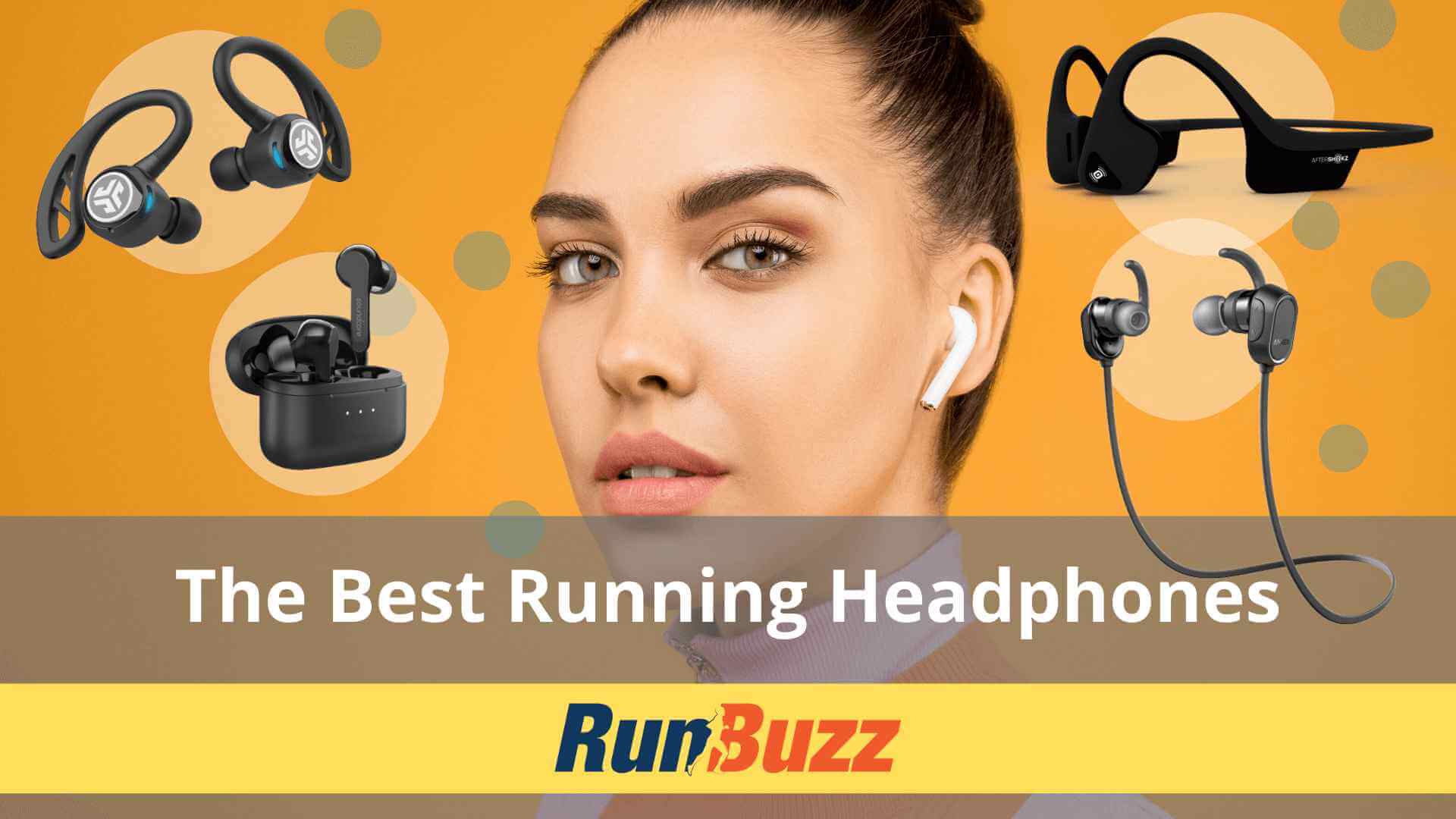
“This article contains links to some recommended products. Please note, as an Amazon Associate I may earn from qualifying purchases.”
Aside from my GPS watch, my running headphones are the piece of gear I get asked about most. So I thought I would take a second and share my thoughts, just in case you’re looking for the perfect gift for the runner in your life or want to reward yourself for hitting one of your milestone goals.
My hands-down favorite headphones for running are still bone conduction, and these days that means the Shokz OpenRun Pro 2. However, there are other great headphones for running and workouts. Below you will find the pros and cons of the best running headphones available right now, covering both premium and budget-friendly options, so you can compare the features and make the right decision before buying a new pair.
A note on what changed: this guide has been rebuilt for 2026. AfterShokz renamed itself Shokz, and the old Trekz Air was replaced by the OpenRun line. Two brands I previously recommended are gone: Jabra exited the consumer earbud business in 2024 and discontinued its Elite line, and Jaybird is no longer producing new models. If you still own and love a pair of those, keep running with them. They just are not something I can point you at to buy new anymore.
Premium & Affordable Headphones for Runners
The Best Bone-Conduction Headphones
Shokz OpenRun Pro 2

Shokz OpenRun Pro 2
The Shokz OpenRun Pro 2 is the headphone I recommend to more runners than any other. Early bone-conduction headphones were not the best solution for runners, but this line has earned a well-deserved place among the top options for running.
Pros of Shokz OpenRun Pro 2
- First of all, it is a great option for anyone who struggles with classic earphones that quite often do not sit well in the ears, especially small ones. These headphones send sound through the bones in your cheek and upper jaw to the inner ear. You get open-ear listening and you do not have to test different sized earbuds trying to find those that cause less pressure and fatigue.
- Because the sound is transmitted through your cheekbones rather than sealed into your ear canal, it allows open-ear listening and increases situational awareness. This is a great option for running outside. Hearing the noise around you can help prevent problems when running against traffic, and it keeps you aware of who is nearby.
- The Pro 2 adds a second driver. Shokz pairs its bone conduction with an air conduction driver, which is their answer to the thin bass that older bone-conduction headphones were known for.
- Battery life is up to 12 hours of playback, double what the old Trekz Air managed, with quick charging support.
- The unibody frame uses a titanium alloy memory wire with ergonomic hooks, and the whole thing weighs about 30 grams, so it stays put and you stop noticing it on long runs.
- Dual wind-resistant microphones with noise reduction, which matters more than you would think if you take calls on easy runs.
Note: open-ear designs like this are generally the safest choice for road running, and many race organizers that restrict headphones make an exception for bone conduction. Rules vary by race and by governing body, so check your specific event’s rules before race day.
Cons of Shokz OpenRun Pro 2
- The sound is loud and clear, however, when you run through a noisy street with cars beeping and drivers yelling, you will not be able to fully enjoy the music the way you would with traditional or noise-canceling headphones. That is the trade-off you accept for hearing the world around you.
- This is the most expensive way to buy a pair of Shokz. If the premium sound is not important to you, the standard OpenRun does the same safety job for less.
The Best Ear Hooks for Runners
If you are searching for something more classic than bone-conduction headphones with an open-ear design, I recommend the JLab Epic Air Sport ANC 3 or the Beats Powerbeats Pro 2. They are comfortable and secure for any type of workout and running. Let’s have a closer look at their key features and benefits.
JLab Epic Air Sport ANC 3

JLab Epic Air Sport ANC 3
Pros of JLab Epic Air Sport ANC 3
- The main perk is still the battery. You get 12 or more hours per earbud and 68 or more hours total with the charging case, so you can get through a full week of running without thinking about it. The case charges over USB-C or wirelessly.
- The ergonomic earhook is built to fit even small ears and stays locked during runs and lifting, which is the whole reason to buy an ear-hook design in the first place.
- IP66 rated, so sweat and water spray are not a concern.
- Hybrid dual drivers pair a Knowles balanced armature with a dynamic driver, and there are three ANC modes if you want to shut the gym out or let the road back in.
- Bluetooth multipoint connects two devices at once, so your phone and laptop can share them.
- The JLab app includes a built-in interval timer, which is a genuinely useful touch for structured workouts.
Cons of JLab Epic Air Sport ANC 3
- Ear hooks and sunglasses arms compete for the same space. If you wear glasses on every run, try them on before committing.
- The case is larger than a standard earbud case. That is the price of the extra battery, but it will not disappear into a running short pocket.
Beats Powerbeats Pro 2

Beats Powerbeats Pro 2
Pros of Beats Powerbeats Pro 2
- Powerbeats have always had a superb design with secure-fit ear hooks. They are steady and comfortable in the ear, and the Pro 2 hook is nickel titanium and 20 percent lighter than the previous generation.
- The headline feature is heart rate. Built-in sensors take more than 100 readings per second, so you can get heart rate from your ears without a chest strap. If you have been avoiding a strap, this is worth a look.
- Active noise cancelling plus a transparency mode, so you can shut out a treadmill room or open things back up when you head outside.
- Up to 45 hours of total listening time with the charging case, powered by Apple’s H2 chip. The case charges wirelessly.
- Six microphones, three per earbud, and Adaptive EQ that adjusts to the seal you actually get.
- They work with both Apple and Android, including heart rate monitoring, so you are not locked out if you carry a Pixel.
Cons of Beats Powerbeats Pro 2
- This is the most expensive pair in this guide by a good margin.
- The heart rate feature only helps if the app you train with supports it. Check your app before you buy them specifically for that.
- A USB-C charging cable is not included in the box, which is a strange omission at this price.
The Best Fully Wireless Earbuds
This is the section that changed the most. Both of my previous picks here, the Jaybird Vista and the Jabra Elite 75t, are discontinued. These two are what I would put in their place.
Beats Powerbeats Fit

Beats Powerbeats Fit
Pros of Beats Powerbeats Fit
- Instead of an ear hook, these use a flexible wingtip that tucks into your ear. It is the same idea that made the Jaybird Vista work so well for runners, and it stays put without anything wrapping around your ear, so hats and sunglasses are not an issue.
- Active noise cancelling with a transparency mode when you want to hear traffic.
- IPX4 sweat and water resistance handles rain, heat and hard efforts. The case is also sweat and water resistant, and it is 17 percent smaller than the previous version.
- Up to 7 hours per bud and 30 hours total with the case. Fast Fuel gives you about an hour of playback from a 5-minute charge, which has saved me more than once on the way out the door.
- Spatial audio with head tracking and Adaptive EQ that tunes to the seal each bud gets.
- Apple H1 chip for easy iOS pairing, and there is a Beats app for Android too.
Cons of Beats Powerbeats Fit
- IPX4 covers sweat and rain but not immersion. Do not swim in them.
- They use the older H1 chip rather than the H2 in the Powerbeats Pro 2, and there is no heart rate sensor.
Sony WF-C710N
Pros of Sony WF-C710N
- These are the most compact pair here. If your complaint about running earbuds is that they stick out of your head, these are the answer.
- Noise cancelling with dual noise sensors, plus an ambient sound mode you can dial across 20 levels in Sony’s app. That last part matters for running, because you can let in exactly as much traffic noise as you want rather than choosing between all or nothing.
- Up to 8.5 hours per bud and 30 hours total with the case, with quick charging.
- Precise Voice Pickup handles calls well, and DSEE processing helps compressed streaming audio.
- Multipoint connection pairs two devices at once.
- They double as your everyday earbuds far better than a sport-specific pair, which is the case for buying them if you only want to own one set.
Cons of Sony WF-C710N
- There is no wingtip or ear hook, so security depends entirely on getting the right ear tip. If earbuds tend to work loose on you at pace, pick one of the sport designs above instead.
- This is a general-purpose earbud rather than a running-first one. It is not built for the abuse that a dedicated sport pair shrugs off.
Headphones for Runners on Budget
Most of the headphones mentioned above are quite expensive. If you’re searching for something more easy on the wallet, consider the Soundcore Sport X20 or the Soundcore Liberty 4 NC from Anker. These earbuds can’t brag about every fancy feature, yet they work well during workouts and running.
Soundcore Sport X20

Soundcore Sport X20
Pros of Soundcore Sport X20
- The ear hooks adjust. They extend and rotate up to 30 degrees, so you can set the fit rather than hoping the shape suits your ear. That is unusual at this price.
- Battery is excellent for the money: up to 12 hours per charge in normal mode and 48 hours with the case.
- Active noise cancelling, which used to be a premium-only feature and now shows up on a budget sport bud.
- 11mm drivers with Anker’s BassUp processing, so they do not sound thin.
- Anker’s SweatGuard sealed design is built specifically to keep sweat out of the internals, which is the usual way cheap sport earbuds die.
Cons of Soundcore Sport X20
- Turning ANC on cuts battery life hard, from 12 hours down to 7 per charge. Leave it off for long runs.
- Ear hooks again, with the same sunglasses and beanie caveat as the JLab pair.
Soundcore Liberty 4 NC

Soundcore Liberty 4 NC
Pros of Soundcore Liberty 4 NC
- If you’re searching for a cheaper alternative but don’t want to compromise the comfort of your ears, this is an optimal solution. There are no fins or hooks, just ear tips to choose from, and they are still secure and comfortable for most people.
- Adaptive noise cancelling that Anker rates at reducing noise up to 98.5 percent, and it adjusts to your ear canal and surroundings rather than applying one fixed setting.
- Battery is the standout: 10 hours per charge and 50 hours with the case in normal mode, or 8 and 40 with ANC running.
- 11mm drivers with LDAC support for higher-resolution audio on Android, and HearID 2.0 builds a sound profile around your own hearing.
- IPX4 rated, so running in the rain is not a problem for these earbuds.
- Six microphones with noise reduction ensure a clear sound during calls, and multipoint pairing works with two devices.
Cons of Soundcore Liberty 4 NC
- No wing or hook means the fit is entirely down to the ear tips. For easy running most people are fine, but they are not the pick for track intervals.
- IPX4 handles sweat and rain, not immersion.
- The on-ear controls take some time to get used to, and you will have to memorize the taps and holds.
Which Pair Should You Buy?
If you run on roads with any traffic at all, buy the bone-conduction pair. Hearing what is coming up behind you is worth more than a little extra bass, and it is the reason bone conduction has stayed my favorite for years.
If you want a sealed earbud and you train indoors as much as outdoors, the ear-hook designs are the most secure. If you want one pair that works for running and for the rest of your life, the Sony is the easiest to live with. And if you are on a budget, the Soundcore pairs deliver a startling amount for the money compared to what the same money bought in 2020.
What do you think? Do you have a pair of headphones that you love (or hate)?
Visit our Facebook page to let us know and find more helpful running tips and motivation to keep your head in the game.
Happy running!
Related Articles



Related Podcast Episodes
Dive deeper into this topic with these episodes from the RunBuzz Running Podcast.
Episode 159
Running Gear Fabrics That Keep You Cool, Warm, And Comfortable
Episode 157
Running Form, Cadence, Footstrike and Shoes - Injury Prevention with Brodie Sharpe
Episode 109
Stay Safe! Essential Safety Tips For Runners
Episode 21